
Last updated Oct. 9, 12:45 p.m.
Summary
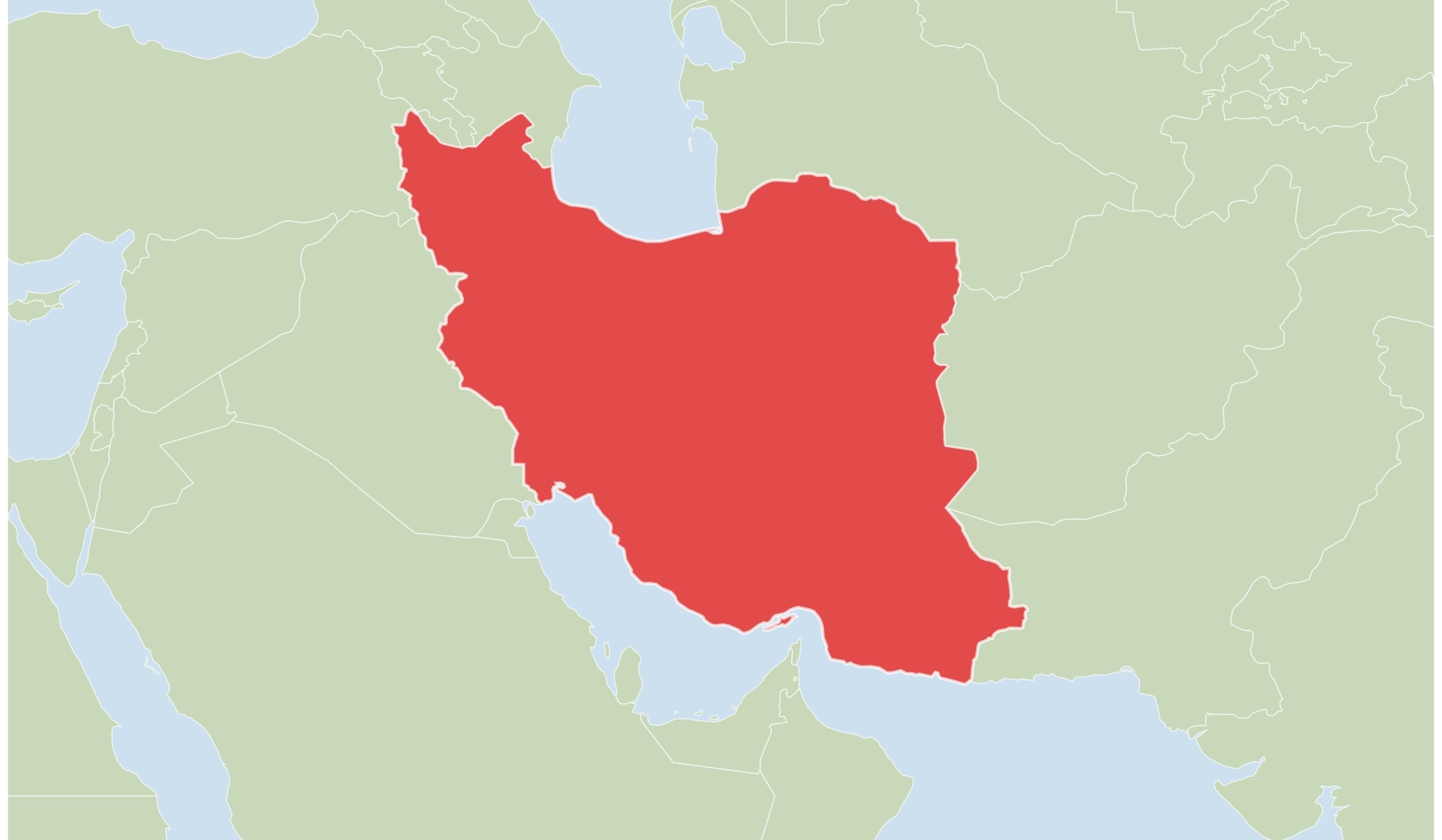
On Feb. 28, the United States and Israel launched extensive airstrikes against Iran, targeting nuclear and military sites, killing leaders, and hitting infrastructure. Iran retaliated with drone and missile strikes against Israel and U.S. military assets in the region. Tehran also sought to spread the pain to other countries that might pressure Washington to back down — hitting economic and civilian targets in multiple Arab states, particularly in the Gulf region, and threatening shipping through the Strait of Hormuz.
American and Israeli leaders openly called for regime change in Iran, but also cited ending Iran’s nuclear program and ballistic missile program and its support for regional partners as objectives.
On April 7, the United States and Iran agreed to a ceasefire, which U.S. President Donald Trump later extended. The United States also began a naval blockade of Iranian ports on April 13. Hostilities between Israel and Iran and then between the United States and Iran began to intensify in early June. However, Washington and Tehran then agreed to a memorandum of understanding, which the U.S. and Iranian presidents signed on June 17. Both sides agreed to halt “military operations on all fronts, including in Lebanon,” lift the U.S. naval blockade on Iran, and, at least temporarily, reopen the Strait of Hormuz — in addition to other measures. The two countries also agreed to engage in further negotiations regarding some of the most difficult issues, including Iran’s nuclear program.
In early July, Iran threatened ships passing through the Strait of Hormuz that do not use Iran’s approved route, which passes close to its own coast. It backed up the threats with attacks on several ships. The United States responded with strikes on Iran, which in turn targeted U.S. military sites in Arab countries. On July 10, Trump declared that the ceasefire was over. The United States resumed its naval blockade, and both sides increased strikes. After warning of further attacks, Trump said on Aug. 1 that he would hold off on a new round of strikes to allow time for negotiations to reopen the Strait of Hormuz, and the Trump administration shifted its focus to economic pressure on Iran. At the start of September, both sides resumed limited exchanges of fire, while various diplomatic efforts to reopen the strait and end the war continue.
Key Takeaways
- Iran was unusually weak in the run-up to the war, as its regional proxies and partners lost power and military capabilities, its economy declined, and the regime faced major protests.
- Iran’s nuclear power program has been a point of international concern for years, but there has been extensive debate about the best way to address it. With strikes in June 2025 and then the 2026 war, the United States and Israel chose to use force, but it remains unclear whether they can resolve their concerns through force alone.
- Since the war began, U.S. and Israeli strikes have killed many top Iranian leaders, including Supreme Leader Ali Khamenei. However, the regime remains in charge, and Mojtaba Khamenei succeeded his father as supreme leader.
- Iran retaliated with strikes against Arab states and Israel, as well as targeting U.S. military sites in the region and threatening shipping through the Strait of Hormuz.
- The war sparked renewed fighting between Israel and Hizballah in Lebanon, including widespread Israeli bombing. The Lebanese and Israeli governments agreed to a temporary ceasefire that began on April 16, but fighting between Israeli forces and Hizballah militants has continued, particularly in southern Lebanon. The conflict has threatened to derail negotiations between Iran and the United States.
- The war has threatened to destabilize fragile countries in the region and to undermine Gulf Arab states’ economic plans. It also has had global effects, including immediate economic impacts and longer-term impacts on how countries view American power.
Table of Contents
- Historical Background
- Iran’s Nuclear Program
- Run-Up to War
- War with Iran
- Regional Implications
- Global Implications
- What Analysts Debate
- FAQs
- Additional War on the Rocks Resources
Historical Background
During the rule of Iranian Shah Mohammad Reza Pahlavi, the United States and Iran had a close alliance — one that included U.S. support for a nuclear energy program. That changed with the 1979 revolution and the creation of the Islamic Republic. Opponents of the shah resented U.S. interference in Iranian politics and opposed the U.S. alliance with Israel, in addition to domestic grievances. Partly in response to the U.S. decision to grant refuge to the shah in the United States, Iranian protesters took over the U.S. embassy in Tehran and held American diplomats hostage for 444 days.
The U.S.-Iranian relationship has been marked by deep hostility ever since. Both sides have worked to undermine each other’s interests. Iran’s efforts have included support for its proxy Hizballah, which was responsible for the 1983 Hizballah-led bombing of the U.S. Marine barracks in Beirut, which killed 241 Americans, and other smaller attacks on Americans and support for Iraqi Shiite militias that fought and killed U.S. servicemembers during the war in Iraq. U.S. efforts have included supporting Iraq during the Iran-Iraq War, imposing severe economic sanctions on Iran and aggressively persuading other countries to do the same, and the 2020 assassination of Iranian Gen. Qassem Soleimani. Both sides engaged in hostilities during the Tanker War of the 1980s, including U.S. forces accidentally shooting down an Iran Air passenger plane. The list goes on, including covert operations by both sides.
Iran’s Nuclear Program
Iran’s nuclear power program began before the 1979 revolution and continued afterwards. Although Iran is a signatory to the Nuclear Non-Proliferation Treaty, evidence emerged in 2002 that strongly suggested the country was secretly pursuing nuclear weapons — although Iran has long denied doing so while asserting its right to nuclear activities for civilian purposes. Many countries shared concerns about the potential of a nuclear-armed Iran, which helped the United States gather support for efforts to limit Iran’s nuclear program. U.S. President Barack Obama pursued coordinated international sanctions to pressure Iran into negotiations, which began after the 2013 election of Iranian President Hassan Rouhani. Negotiations eventually culminated in the 2015 Joint Comprehensive Plan of Action, which imposed restrictions on Iran’s nuclear program and stricter international inspections in exchange for rolling back specific sanctions on Iran.
Critics of the deal argued that it failed to shut down Iran’s nuclear program, limit Iran’s ballistic missile program, and address other concerns about Iranian actions in the Middle East. In May 2018, Trump withdrew the United States from the agreement, prompting Iran to eventually stop complying with the deal’s terms and increasing its production of highly enriched uranium. Early in the second Trump administration, Washington pursued talks with Tehran, but in June 2025, the United States and Israel launched military strikes against Iranian nuclear sites, with Israel also targeting Iran’s ballistic missile sites and other targets.
Run-Up to War
Trump said that the June 2025 strikes had obliterated Iran’s nuclear sites, and Israel similarly claimed victory. Iran responded with missile and drone strikes against Israel, and Iran’s partner in Yemen, the Houthis, also launched missiles and drones against Israel. In a more symbolic response, Iran launched missiles against Al Udeid Air Base in Qatar but issued a warning first. On June 23, 2025, Trump announced a ceasefire. Meanwhile, Iran suspended cooperation with the International Atomic Energy Agency.
Overall, Iran appeared increasingly weak. Since September 2024, Israel had significantly damaged Hizballah’s capabilities in Lebanon, and the December 2024 collapse of the Assad regime in Syria deprived Iran of an important regional ally. Following the Hamas-led attacks against Israel on Oct. 7, 2023, Israel destroyed much of Gaza, severely damaging — but not destroying — Hamas, another Iranian partner. Iran still had partners in the Houthis in Yemen and some Shiite militias in Iraq, but the decline of Hizballah as a powerful actor appeared to be a huge blow.
On Dec. 28, a new wave of protests began in Iran, sparked by another steep drop in the Iranian rial’s value and fueled by long-standing economic, social, and political grievances. Protests in Iran are hardly new, but these protests were notable for being widespread throughout the country and across economic classes, generations, and ethnic groups — and occurring at a time when Iran was particularly weak in terms of its regional position and security. Furthermore, the government imposed an unusually long and complete internet blackout. The protests peaked in early January 2026, when regime forces cracked down hard, especially on Jan. 8 and 9. The full death toll is unknown but likely to be in the thousands — an unprecedented number in Iran’s modern history. Although the government had successfully quelled the protests, its need to resort to brutal violence demonstrated its domestic unpopularity and potential political weakness.
In February 2026, the United States and Iran held three sessions of indirect talks regarding Iran’s nuclear and missile programs and other issues. The United States began to move more military assets into the region, raising pressure on Iran, though talks continued through Feb. 26.
War with Iran
On Feb. 28, the United States and Israel launched extensive strikes against Iran. On the first day of the war, the U.S.-Israeli coalition killed Ali Khamenei and several other top Iranian military and political officials. Iran responded quickly, launching missiles and drones against Israel, U.S. military sites in the region, and economic and civilian infrastructure in the Gulf Arab states. Iran launched more limited strikes at Iraq and Jordan, as well.
Iran also began attacking ships in the Strait of Hormuz, effectively closing the strait to most commercial shipping. The closure of the strait plus Iranian attacks on Gulf Arab oil and gas sites and U.S.-Israeli attacks on Iran oil and gas installations drove up global oil prices.
On March 8, Iran’s Assembly of Experts chose Mojtaba Khamenei — the son of the late Ali Khamenei — as the country’s new supreme leader. The decision clearly indicated the regime’s defiance against the United States and Israel, and the new leader is closely aligned with hardliners in the government and with the Islamic Revolutionary Guard Corps. On March 17, Ali Larijani, who was a crucial leader within the wartime government, was killed.
On April 7, the United States and Iran agreed to a ceasefire, which Trump later extended. The United States also began a naval blockade of Iranian ports on April 13. In early June, hostilities intensified, when Israel and Iran launched tit-for-tat strikes, followed by a significant increase in U.S. attacks on Iran and Iranian attacks on U.S. targets in the region.
The war also extended to Lebanon. On March 2, Hizballah launched rockets aimed at an Israeli military site near Haifa. Israel quickly responded with extensive bombings against targets in southern Lebanon, Beirut, and the Bekaa Valley. Israel also expanded its ground operations in southern Lebanon, with fighting between Israeli soldiers and Hizballah militants. The fighting displaced more than one million Lebanese within the first two weeks of the war. The Lebanese government and Israel agreed to a temporary ceasefire that began on April 16, but fighting continued at lower levels before picking up again in June.
Negotiations, mediated by Pakistan and Qatar, led to a U.S.-Iranian memorandum of understanding in mid-June. Both sides agreed to halt “military operations on all fronts, including in Lebanon,” lift the U.S. naval blockade on Iran, and, at least temporarily, reopen the Strait of Hormuz — in addition to other measures. The two countries also agreed to engage in further negotiations regarding some of the most difficult issues, including Iran’s nuclear program. However, difficulties quickly arose, largely due to ongoing fighting in Lebanon and disagreements about reopening the strait. Fighting resumed in July. After threatening to intensify strikes on Iran, Trump said on Aug. 1 that he would pause for now, to allow time for negotiations to reopen the Strait of Hormuz. In August, the United States announced new sanctions against Iran, and U.S. officials emphasized economic pressure on the country. At the start of September, both sides resumed limited strikes, although Trump said on Oct. 8 that the United States would not attack Iran before the U.S. midterm elections on Nov. 3.
On June 26, the Lebanese and Israeli governments agreed to a U.S.-brokered deal that envisions a gradual pullback from parts of Lebanese territory tied to the disarming of Hizballah. However, Hizballah was not a party to the agreement and quickly rejected it.
Regional Implications
The war with Iran threatened to destabilize the Middle East and could have negative effects for Central Asia.
After years of brutal civil war, Iraq had finally reached a point of relative stability. The war risked undermining that hard-won calm. Iran launched strikes against targets in northern Iraq, and pro-Iran Iraqi militia groups attacked the U.S. embassy in Baghdad and other targets. Iraq also is heavily dependent on its oil industry, so it suffers from threats to its facilities and to shipping through the Strait of Hormuz — although the federal government reached an agreement with the Kurdish Regional Government to resume some exports through a northern pipeline.
Arab Gulf states face severe economic consequences with the Strait of Hormuz blocked and attacks on oil and gas sites. The Arab Gulf states — especially the United Arab Emirates — have been working to diversify their economies, with a major emphasis on transportation, logistics, and tourism, and the war threatened to derail their progress. Iran also has targeted U.S. forces based in Syria and particularly in Jordan. Initially, in the early months of the war, the Houthis in Yemen, who are aligned with Iran, did not play a major role. That changed in July, when the Houthis announced a naval blockade targeting Saudi shipping through the Bab el-Mandeb Strait. Fighting between the Houthis and Saudi Arabia escalated in September.
As noted above, the war in Iran quickly renewed fighting between Israel and Hizballah in Lebanon. Furthermore, regional instability adds yet another challenge for the Syrian government that took power in December 2024, as it seeks to stabilize Syria after years of civil war.
Tehran has long faced a low-level Kurdish separatist movement, and the war risked intensifying Iranian Kurds’ efforts to break away from the central government. A reinvigorated Iranian Kurdish movement would have effects on Iraq, where the Kurdistan Regional Government has established a degree of autonomy; Syria, where the new government has pushed back on the Kurdish-led Syrian Democratic Forces; and Turkey, where the government has been pursuing disarmament of the Kurdistan Workers’ Party. However, so far, the Iranian regime has continued to assert control over its territory.
In Central Asia, fighting between Pakistan and Afghanistan renewed the day before U.S. and Israeli strikes began against Iran. Instability in Iran could spill over its borders with Pakistan and Afghanistan through ethnic separatist groups, refugee flows, and criminal networks — one of several reasons why Pakistan’s government saw an interest in acting as mediator between the United States and Iran.
Global Implications
Iran’s threats against shipping in the Strait of Hormuz led to an immediate stoppage of most shipping through the strait, with huge supply chain implications for the global economy. Global oil prices spiked, and the disruption to shipping has affected other goods such as liquified natural gas and fertilizer. While some shipping began moving through the strait with U.S. military assistance, the flow of commercial ships remains far below pre-war levels. Furthermore, Houthi threats against Saudi shipping in the Bab el-Mandeb Strait and attacks on oil infrastructure in Arab states has squeezed global oil supplies. Many countries have expressed serious concern about the economic impacts. The closure of the strait also has raised concerns about freedom of navigation through other potential maritime chokepoints.
However, high oil prices and the suspension of U.S. sanctions on Russian oil have benefitted Russia. The war in the Middle East threatened to distract attention away from the war in Ukraine, but Ukraine also took the opportunity to offer its expertise in combatting drones in exchange for potentially increased support from Middle Eastern countries seeking to protect themselves from Iranian attacks.
The war will have long-term effects on America’s power and reputation, Middle Eastern stability, China’s role in the world, European relations with the United States, and much more.
What Analysts Debate
A major point of discussion among analysts is whether the United States had a strategy and clear war aims — and, if so, what it was. Similarly, there is a debate about the extent of Israel’s role in persuading Washington to go to war and what the Israeli government hopes to achieve. Analysts also disagree on whether war was the most effective response to Iran’s nuclear program or whether it increased risks of nuclear proliferation. There are questions about the future of Iran’s nuclear program and materials, its regime, its regional proxies’ and partners’ capabilities, and much more. The war also raised questions about the future of the Strait of Hormuz — and even the implications for freedom of navigation more broadly.
With intense debate around the war’s necessity, its goals, the U.S. and Israeli strategies and interests, Iran’s response, and more, it’s hardly surprising that there is also extensive debate about how to end the war and fully reopen the Strait of Hormuz.
FAQs
What was the 12-day war and how is this war different?
In June 2025, Israel launched strikes against multiple Iranian military targets, and the United States joined it to specifically target Iranian nuclear sites. Iran responded with measured retaliation, and the war ended after 12 days, with the United States and Israel saying they had achieved their goals.
The war that began on Feb. 28, 2026, is far more extensive. Israel and the United States have hit a wide array of military and non-military targets in Iran, with a stated aim of regime change. Iran has taken an all-out response, hitting not only U.S. military and Israeli targets but also sites in neighboring Arab states and closing the Strait of Hormuz.
Why did the United States and Israel go to war with Iran?
U.S. leaders have offered several reasons for going to war. In a Feb. 28 address, Trump said that the regime posed an “imminent” threat. He also said that action was necessary to ensure that Iran never develops a nuclear weapon. He further added that “when we are finished” with bombing, the Iranian people should take over their government. He told The Washington Post that “freedom” for Iranians was a goal. Trump’s statements strongly suggested that he sought regime change in Iran, though comments from other administration officials implied aims more focused on destroying Iran’s ballistic missile capabilities or protecting U.S. interests given an imminent Israeli attack on Iran. Other comments by Trump and administration officials over the course of the war suggested that the objectives might be shifting away from regime change, with more of a focus on eliminating Iran’s missiles, destroying its navy, and ensuring it never develops a nuclear weapon.
Israeli Prime Minister Benjamin Netanyahu has long portrayed Iran as the primary threat to Israeli security. In the current war, Israel seeks to destroy Iran’s ability to pursue a nuclear program and to destroy its missile program. Further, Israel seeks to make sure that Iran cannot threaten Israel directly or through regional proxies, primarily via Hizballah. Netanyahu has expressed his hopes for regime change in Iran. Israel has reluctantly abided by the U.S.-Iranian ceasefire but has been reluctant to give up fighting in Lebanon.
How has Iran responded?
Iran responded far more extensively than in previous conflicts, with a strategy designed to spread pain around the region and the world. With missiles and drones, it targeted U.S. military sites in the region as well as military and civilian targets in Israel and the Arab Gulf states. Iranian strikes also hit Iraq and Jordan. Iran threatened shipping through the Strait of Hormuz, which diminished shipping to a small percentage of its usual flow. Iran agreed to the April ceasefire and the June memorandum of understanding, but it has demonstrated reluctance to make major concessions on its nuclear program or to compromise on its support for Hizballah. The global impacts of effectively closing the Strait of Hormuz also demonstrated that Iran still has leverage, and Iran demonstrated its determination to maintain that leverage with efforts to force ships to take its preferred route through the strait.
Why and how is Iran blocking the Strait of Hormuz?
The narrow waterway is crucial to global shipping, particularly for oil, gas, petrochemicals, and other goods in the Persian Gulf. Given Iran’s relative weakness compared to Israel’s and America’s military strength, its capacity to threaten shipping through the Strait of Hormuz is a key part of its asymmetric abilities — including drones, missiles, mines, and small armed boats. It can use the strait to inflict economic harm with global repercussions, which it hopes might pressure the U.S. government into ending the war. Iran also began charging some ships fees for safe passage through the strait, developing a potential source of revenue that could evade sanctions. In response, the United States began implementing a naval blockade of Iranian ports, with the goal of applying more pressure on Iran’s economy — particularly its oil infrastructure — in the hopes of forcing Iran into concessions. Under the June memorandum of understanding, Iran agreed to make “its best efforts for the safe passage of commercial vessels, with no charge for 60 days only” — raising hopes of some relief for shipping but also questions about the future of freedom of navigation through the strait. In early July, Iran began threatening ships that did not take a route through the strait that runs close to the Iranian coast, prompting renewed U.S. strikes. Iran and Oman have engaged in talks over the strait but with little success so far.
Who is running Iran?
Iran’s government includes elected and unelected institutions, but the greatest power has long resided in the supreme leader. On Feb. 28, Ali Khamenei was killed on the first day of the war. A few days later, Iran’s Assembly of Experts chose his son, Mojtaba Khamenei, as the new supreme leader. Many of Iran’s top military and civilian leadership, including Ali Larijani, have been killed. Remaining regime figures continue to oversee the government and the military response.
What is the memorandum of understanding?
On June 17, the U.S. and Iranian presidents separately signed a memorandum of understanding, agreeing to halt “military operations on all fronts, including in Lebanon,” lift the U.S. naval blockade on Iran, and, at least temporarily, reopen the Strait of Hormuz — in addition to other measures. The two countries also agreed to engage in further negotiations regarding some of the most difficult issues, including Iran’s nuclear program. However, the agreement fell apart in July.
Additional War on the Rocks Resources
Commentary
“Iran Faces Severe Challenges to Rebuild Missile and Drone Production,” by Jim Lawson
“From Hormuz to the Caucasus: The New Geography of Energy Security,” by Aidin Panahi
“Managed Instability: Why the Wars Against Iran and Ukraine Can Go On and On and On…,” by Alex Kolbin
“What Have We Learned from the 9/11 Wars? Not Nearly Enough,” by Jonathan Schroden
“Cheap Drones, Dry Taps: The Iran War Opens a New Era of Water Infrastructure Risk,” by Gabriel Collins and Morgan D. Bazilian
“The Peace That Redistributes War: What Camp David Reveals About Lebanon and Iran,” by Ahmed Saber Abbas
“Outgunned, But Not Outplayed: Iran’s Theory of Victory,” by Pnina Shuker and Andrew Milburn
“An Unlearned Lesson: The Sorry Record of Regime Change Operations in the Middle East,” by Galen Jackson
“Going Over the Brink: How Hizballah’s Risk Strategy Made Lebanon Impossible to Ignore,” by Kelly A. Grieco, Georges Saade, and Hunter Slingbaum
“The Hizballah Predicament: Why An Integrated Approach Is Necessary,” by Anthony Elghossain and Grace Wermenbol
“The Gulf Arab States Need a Shield Built for Limited Trust,” by Mohammed Alotaibi
“Wrong Audience, Wrong Ask: Why Trump’s Abraham Accords Gambit Falls on Deaf Ears,” by H.A. Hellyer
“The Toll Booth at the Throat of World Trade,” by Sujit Raman
“Fences Not F-35s: Drone Attacks and the Illogic of Gulf Procurement,” by David B. Roberts
“When Refusal Doesn’t Matter: Operation Epic Fury and the Erosion of Host Nation Consent,” by Bo Ram Kwan
“Missiles Aren’t Strategy: Lessons From Iran for a Pacific Air War,” by David A. Deptula and Jahara Matisek
“In Talks with Israel, Lebanon is Walking a Thin Line,” by Faysal Itani and Dania F. Arayssi
“Between Intent and Capability: Assessing the Lack of Iranian Attacks on the U.S. Homeland,” by Matthew Levitt
“Why Lebanon Is Nonnegotiable for Iran,” by Sajjad Safaei
“Why Iran Metabolizes the Pressure that Broke Venezuela,” by Rashed M. Aba-namay
“What the War Against Iran Means for the U.S.-South Korean Alliance,” by Jihoon Yu
“Iran and the Indispensable Broker: How Pakistan Outmaneuvers India on the World Stage,” by Farah Jan
“A Fragile Ceasefire with Iran and the Price of Ending the War,” by Federico Manfredi Firmian and Anthony Wanis-St. John
“Iran’s Other Front: The War Over the Internet,” by Sara Bazoobandi
“Iran’s Anti-Access and Area Denial Strategy Is Cruder Than China’s But Still Dangerous,” by Brigadier Anil Raman (ret.)
“The Iran War and the Energy Lesson We Failed to Learn,” by Emily Holland
“The Folly of Seizing Kharg Island,” by Bilal Saab
“The Arsenal as the Battlefield: The War on Iran and the Return of Counter-Industrial Targeting,” by Tyler Hacker, Greg Malandrino, and Evan Braden Montgomery
“The Trump Administration Had No Plan for the War with Iran,” by Sen. Ruben Gallego
“The Cost of Hesitation: Why “Finishing the Mission” is Imperative in Iran,” by Rep. Sheri Biggs
“Punish Russia for Helping Iran Target the U.S. Military,” by Ryan Evans
“Proxy Pressure on Iran: The Promise and Pitfalls of Arming the Kurds,” by Jonathan Schroden and Zack Gold
“Drinking from the Bitter Chalice in the Middle East, Again,” by Steven Simon
“How Does the Iran War Affect China’s Energy Security?” by Yun Sun
“Don’t Count Launches: Misreading Iran’s Drone Capacity,” by Kelly A. Grieco
“For Iran’s Regime, Better to Take a Beating than Capitulate,” by Tanya Goudsouzian and Ibrahim al-Marashi
“Iran and the Gulf: Why Hedging Is No Longer Enough,” by Bader Al-Saif and Sanam Vakil
“The Middle East’s Westphalian Moment? From Chaos to Realism,” by Ali Murat Kursun
“A Strait Comparison: Lessons from the Dardanelles for a Strait of Hormuz Closure,” by Jonathan Schroden
War on the Rocks podcast
“A Body Blow? The War on Iran and U.S. Military Readiness,” with Mark Cancian, Stacie Pettyjohn, Michael Eisenstadt, and Ryan Evans
“Inside Iran’s Wartime Regime,” with Afshon Ostovar and Kerry Anderson
“Reopening the Strait of Hormuz & Saving Downed Pilots,” with Jamie Foggo, John Miller, and Ryan Evans
“What It Was Like to Be Under Incoming Fire from the War on Terror to Today,” with Matt Francis, Rick Landgraf, Patrick McSpadden, Steve Walsh, and Collin Meisel
“How We Arrived at this Iranian Moment and What Happens Next,” with Alex Vatanka, Holly Dagres, Naysan Rafati, Kerry Boyd Anderson, and Ryan Evans
For War on the Rocks Members
Check out our podcast — The Iran Reckoning with Afshon Ostovar — dedicated to geopolitical and military issues around Iran!
“Targeting Russia to Squeeze Iran,” with Alex Zerden and Daisy Johnston
“The Iran Reckoning: The Arab Gulf States Have Some Problems,” with Sanam Vakil and Afshon Ostovar
“The Houthis Capture More Strategic Territory,” with Gregory Johnsen and Kerry Anderson
“The Iran Reckoning: How the War with Iran Is Reshaping Pakistan’s Strategic Position,” with Asfandyar Mir and Afshon Ostovar
“In Brief: What America’s Adversaries and Allies Hope to Gain at the U.N. General Assembly,” by Holly Dagres, Raymond Kuo, Nicholas Lokker, Richard Gowan, and Jenny Town
“The Iran Reckoning: The Iran War Impasse,” with Afshon Ostovar and Kerry Anderson
“The Atlantic Brief: The Strait of Hormuz and the Future of Free Navigation,” with Andrew Burns, Nicholas Hopton, Rachel Ziemba, Jonathan Eyal, and Nicole Wiley
“The Insider: What We Could Learn from Regime Change Efforts in the Middle East and North Africa,” Galen Jackson and Kerry Anderson
“How the War with Iran is Shaping Key U.S. Relations Beyond the Middle East,” by Jenny Town, Tanvi Madan, Peter Dickinson, Gesine Weber, and Emma Salisbury
“The Iran Reckoning: The War Is Back On,” with Gregory Brew and Afshon Ostovar
“Warcast: An Already Frail Ceasefire with Iran Collapses,” with Alex Vatanka and Nicole Wiley
“Thinking the Unthinkable: Revisiting Iran’s Nuclear Threshold,” with Eric Brewer and Ankit Panda
“The Iran Reckoning: The Iranian People in the Aftermath of Repression and War,” with Afshon Ostovar and Holly Dagres
“In Brief: The Shifting Fortunes of the Kurds,” by Gönül Tol, Albert B. Wolf, Alexander McKeever, and Mohammed A. Salih
“In Brief: Adapting to Uncertainty in the Strait of Hormuz,” by Kristian Coates Ulrichsen, Victoria Taylor, Akhil Ramesh, Joseph Majkut, and Yun Sun
“The Houthis Threaten the Red Sea,” with Gregory Johnsen and Kerry Anderson
“The Adversarial: Hollow Deals, Tricky Negotiations, and State Visits,” by WOTR Staff
“The Iran Reckoning: Who’s Running Iran, and What Do They Want?” with Hamidreza Azizi, Kerry Anderson, and Afshon Ostovar
“Iran Reckoning: Iran’s Deterrence Failures and Asymmetric Successes,” with Afshon Ostovar and Kelly Grieco
“The Adversarial: Maximalist Demands, Victory Day, and a Summit,” by WOTR Staff
“The Insider: Why Iran Sticks By Hizballah,” with Sajjad Safaei and Kerry Anderson
“The Adversarial: Maximalist Demands, Victory Day, and a Summit,” by WOTR Staff
“In Brief: Does OPEC Still Matter?,” by Kristian Coates Ulrichsen, Kate Dourian, Giorgio Cafiero, and Rachel Ziemba
“The Insider: A New Reality for Arab Gulf States,” with Robert Mason, Rikard Jalkebro, and Kerry Anderson
“Is the Iranian Regime Truly Fractured?” with Afshon Ostovar and Kerry Anderson
“Iran Reckoning: Listeners’ Questions About the Strait of Hormuz, How to End the War, and Hope for the Future,” with Afshon Ostovar and Kerry Anderson
“Sailor Pulse: Preparing for the Unthinkable: Dissecting the Military’s Survival Training,” with Fletcher Vynne, Jay Dietrich, and Steve Walsh
“Warcast: The Strait of Hormuz is Full of Mines: Will the U.S. Navy Clear It?,” with James Foggo and Nicole Wiley
“The Insider: The Sinking of IRIS Dena: Law, Strategy, and Naval Warfare Today,” with Jennifer Parker and Kerry Anderson
“Warcast: Ukraine Expands Its Partnerships in the Middle East,” with Peter Dickinson and Kerry Anderson
“Iran Reckoning: Listeners’ Questions About The Potential for Regime Collapse,” with Afshon Ostovar and Kerry Anderson
“Warcast: European NATO Says ‘No’ to Trump’s War in Iran,” with Rick Landgraf and Nicole Wiley
“Warcast: The United States Suspends Sanctions on Russian and Iranian Oil — But It’s Complicated,” with Maia Nikoladze and Kerry Anderson
“The Insider: Is China Really Dependent on Middle Eastern Oil?,” with Yun Sun and Kerry Anderson
“Unspent Rounds: The Wins, Limits, and Opportunities of the Airpower Campaign in Iran,” with Lt. Gen. (ret.) Dave Deptula, Patrick McSpadden, and Nicole Wiley
“The Insider: Raising the Costs of War: Iran’s Drone Usage in Operation Epic Fury,” with Kelly Grieco and Nicole Wiley
“The War with Iran Intensifies,” with Afshon Ostovar and Kerry Anderson
“Warcast: The Expanding War in Lebanon,” with Faysal Itani and Kerry Anderson
“Sailor Pulse: From the Flight Deck to Combat: Naval Aviation in the Middle East,” with Paul Garcia and Steve Walsh
“Warcast: A Tipping Point for Lebanon,” with Fadi Nicholas Nassar and Kerry Anderson
“Iran Reckoning: How the Missile War is Playing Out,” with Sam Lair and Afshon Ostovar
“The Adversarial: War in Iran Shapes Adversaries’ Calculations,” by War on the Rocks Staff
“Iran Reckoning: How Arab Gulf States Are Responding to the War with Iran,” with Afshon Ostovar and Kerry Anderson
“Bonus In Brief: Global Reaction to the War in Iran,” by Kristin Smith Diwan, Roham Alvandi, Nicole Grajewski, Sameer Lalwani, and Jessica C. Liao
“The Insider: Transatlantic Tensions and Why It Matters for Iran,” Richard Fountaine and Nicole Wiley.
“Warcast: Israel at War on Multiple Fronts,” with Michael Koplow and Kerry Anderson
“Iran Reckoning: Day Three in Iran: Who’s Calling the Shots?,” with Afshon Ostovar and Kerry Anderson
“Iran Reckoning: Iran’s Surviving Leaders Respond to War and the Supreme Leader’s Death,” with Afshon Ostovar and Kerry Anderson
“Rewind and Reconnoiter: How Are Iran’s Proxies Doing Amidst a Weakened Regime?,” by Farzin Zandi
“Warcast: Netanyahu and Trump Discuss Iran and Gaza,” Michael Koplow and Kerry Anderson
“Warcast: Iran on the Brink,” with Alex Vatanka and Kerry Anderson.
“In Brief: Protests and Crackdown: Implications for Iran,” by Alex Vatanka, Roham Alvandi, Nima Gerami, and Nicole Grajewski
“Iran Reckoning: Where Is the Iranian Regime Headed in 2026?,” with Afshon Ostovar, Behnam Ben Taleblu, and Nicole Grajewski
“The Insider: Lessons from the Dardanelles for Today’s Strait of Hormuz Challenge,” with Jonathan Schroden and Kerry Anderson
Image: Claude
