Join War on the Rocks and gain access to content trusted by policymakers, military leaders, and strategic thinkers worldwide.

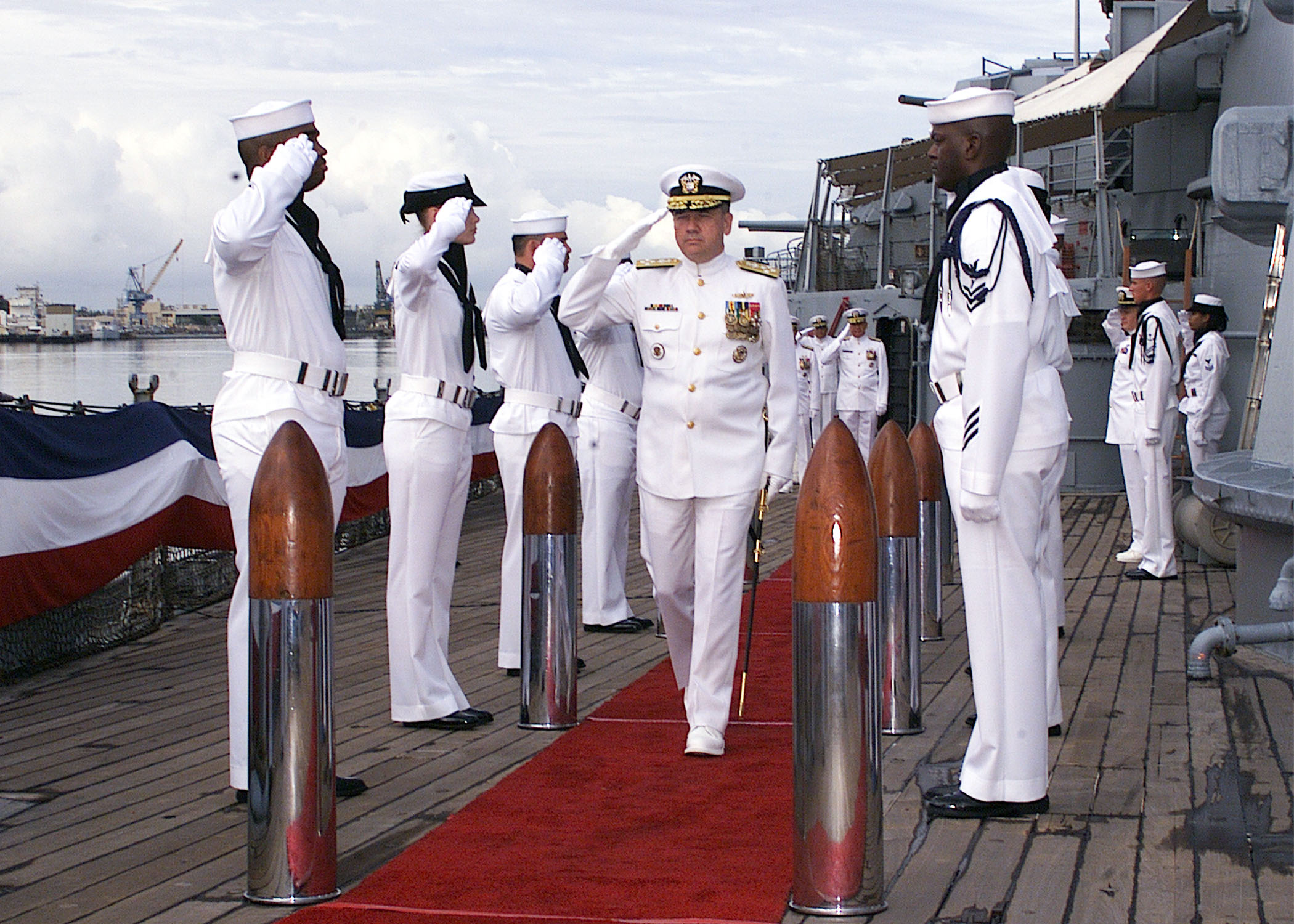
Newly selected one-star generals and admirals in the U.S. military are often jokingly warned that pinning on their new rank means “you will never again have a bad meal, and you will never again hear the truth.” It’s not surprising that many of the unvarnished truths well-known to privates, lance corporals, lieutenants, and captains rarely make it to the ears of generals and admirals. But it is more surprising — and can be even more damaging — when generals at the most senior ranks fail to share hard truths with each other.
The U.S. military is an intensely hierarchical organization. The chain of command is designed to execute orders quickly and efficiently, especially under the fierce stress of combat. In principle, information should flow freely through the chain in both directions, providing directives down and feedback up. Yet in practice, the chain focuses primarily on the downward transmission of orders and policies. The deference and can-do spirit inherent in the military culture often make effective communications upward in the chain of command difficult, especially for unpopular or dissenting views. This friction exists at all levels but becomes even greater when it involves communicating discordant views to generals and admirals at the very top of the hierarchy.
The forces of deference to senior leaders are strong in any large organization. As former Secretary of the Treasury Timothy Geithner has noted, “Most people in positions in government or the military exist in very hierarchical institutions. You need to do a huge amount to lean against the forces of excessive deference.” Too much deference and not enough candor can cause senior leaders to make bad decisions, because they become bureaucratically insulated from valuable criticism and objective feedback. This problem affects the military even more than other types of organizations because the chain of command instills even greater deference toward the most senior military officers, even when honesty and frankness are appropriate. Bad decisions at their level can have immediate, life-and-death consequences for the men and women serving in uniform — and may even result in existential consequences for the nation.
This problem can be clearly seen in the two deadly collisions of U.S. Navy ships in the Pacific in 2017, in which 17 sailors were killed. Though the sailors serving on these ships made numerous errors that caused the collisions, the systematic problems that led the crews to be overworked and undertrained were well known throughout the chain of command. The three-star fleet commander and numerous subordinates were ultimately fired, but one- and two-star admirals across the Navy’s surface forces were well aware of these shortfalls. Some complained, but despite many years of mounting problems, none of the admirals commanding these desperately strained forces apparently ever felt strongly enough to threaten resignation. Despite the clearly growing risks, complaints from the Navy’s fleet leaders repeatedly fell on deaf ears among the senior-most admirals in Washington. That all but assured that deadly accidents would happen.
Another damning example can be found in the long, painful history of the Army’s intelligence system, the Distributed Common Ground System–Army. As we document extensively in our forthcoming book on military adaptation, Army generals in the Pentagon, led by the service’s chief of intelligence, repeatedly rebuffed requests from field commanders for commercially available intelligence mapping software to predict patterns of enemy activity in Afghanistan and reduce casualties from roadside bombs. Reports that criticized the Army’s program of record were destroyed, and a deluge of negative feedback on the system’s field performance was ignored in order to protect a key long-term Army acquisition effort — even though it did not work effectively in the deadly war that the Army was actually fighting. Even as generals in the field sought other solutions, most of them remained quiet on the repeated failures of the “official” intelligence system in order to protect its funding. Soldiers died unnecessarily as a result.
Why is it so hard for dissenting views to travel up the chain of command to the military’s most senior leaders? And when those views do manage to break through, why is it so hard for those leaders to absorb and act on them? Some elements of the military’s flag officer culture often exacerbate the more general problem of excessive deference to senior leaders. These include:
As the challenges of 21st century warfare grow even more complex, the U.S. military’s senior leaders need access to accurate information, inconvenient facts, and challenging viewpoints that might otherwise become distorted or sidelined before reaching their ears. Finding ways to improve respectful and productive disagreements among generals and admirals will help them make the best possible decisions in an environment characterized by tremendous uncertainty and rapid change. Changing culture is always difficult, but there are at least three concrete ways in which the military services can encourage their generals and admirals to share more candor and hard truths amongst themselves.
The problem of generals not hearing hard truths from other generals is not new and has contributed to plenty of bad decisions in the past. But if the United States is to prevail in the wars of the 21st century, its military cannot preserve a culture in which its most senior leaders do not hear uncomfortable criticism from their subordinates, especially those in their first years as flag officers. Senior leaders must find ways to hear objective and even damning critical feedback so they can make the best decisions possible in a complicated, unpredictable, and rapidly changing strategic environment.
Lt. Gen. David W. Barno, U.S. Army (Ret.) and Dr. Nora Bensahel are Visiting Professors of Strategic Studies at the Johns Hopkins School of Advanced International Studies and Senior Fellows at the Philip Merrill Center for Strategic Studies. They are also Contributing Editors at War on the Rocks, where their column appears monthly. Sign up for Barno and Bensahel’s Strategic Outpost newsletter to track their articles as well as their public events.
Image: U.S. Navy photo by Photographer’s Mate 2nd Class Elizabeth L. Burke